
Embrace Self-Expression: Movement for Every Body
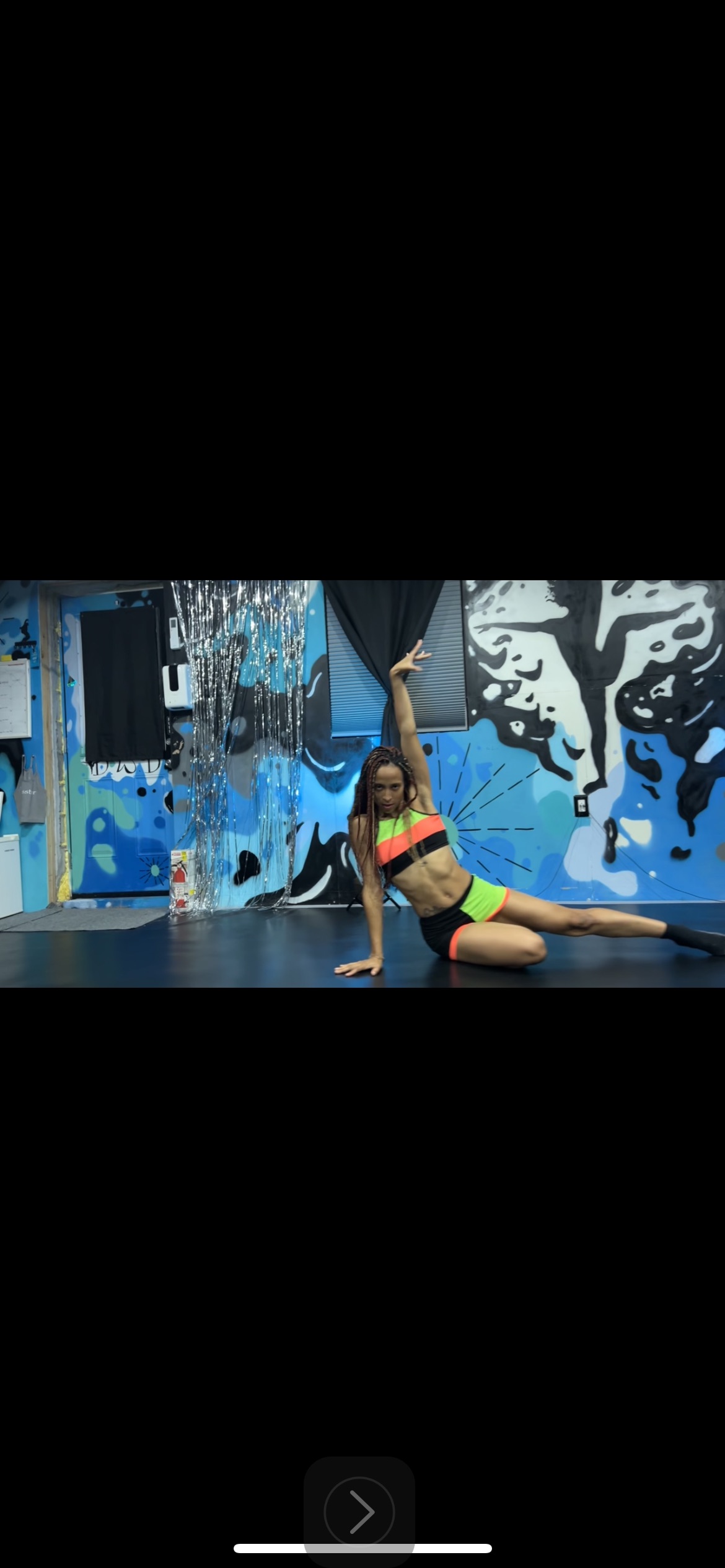
In a world that often tries to define us, self-expression through movement offers a powerful way to reclaim our individuality. Whether through dance, yoga, or simply moving our bodies in ways that feel good, embracing movement can be a transformative experience. This blog post explores how movement can serve as a form of self-expression for everyone, regardless of age, ability, or background.

The Importance of Movement in Self-Expression
Movement is not just about physical activity; it is a vital form of communication. It allows us to express emotions, thoughts, and identities that words often fail to capture. Here are some key reasons why movement is essential for self-expression:
Emotional Release: Movement can help release pent-up emotions. Whether it's the joy of dancing or the calm of yoga, moving our bodies can provide a therapeutic outlet.
Body Awareness: Engaging in movement helps us connect with our bodies. This awareness can lead to greater self-acceptance and confidence.
Creativity: Movement encourages creativity. It allows us to explore different ways of expressing ourselves, whether through choreography or improvisation.
Community Connection: Participating in group activities fosters a sense of belonging. Sharing movement experiences with others can create strong bonds and support networks.
Types of Movement for Self-Expression
There are countless ways to express oneself through movement. Here are some popular forms that cater to different interests and abilities:
Dance
Dance is one of the most expressive forms of movement. It transcends language and culture, allowing individuals to convey their feelings and stories. Here are a few styles to consider:
Ballet: Known for its grace and precision, ballet can help develop discipline and body control.
Hip-Hop: This energetic style encourages improvisation and personal expression, making it accessible to all.
Contemporary: Blending various dance forms, contemporary dance allows for emotional storytelling and creativity.
Yoga
Yoga is a holistic practice that combines physical movement, breath control, and meditation. It promotes self-awareness and mindfulness, making it an excellent choice for self-expression. Some popular styles include:
Hatha Yoga: Focuses on basic postures and breathing techniques, suitable for beginners.
Vinyasa Yoga: Emphasizes fluid movement and transitions, allowing for creative expression.
Kundalini Yoga: Combines movement, breath, and sound to awaken energy and promote self-discovery.
Martial Arts
Martial arts offer a unique way to express oneself through disciplined movement. They promote strength, focus, and self-confidence. Some popular forms include:
Taekwondo: Known for its high kicks and dynamic movements, it encourages self-discipline and respect.
Karate: Focuses on striking techniques and forms, promoting physical fitness and mental clarity.
Capoeira: A Brazilian martial art that combines dance, acrobatics, and music, allowing for creative expression.
Creating a Personal Movement Practice
Establishing a personal movement practice can be a rewarding journey. Here are some steps to help you get started:
1. Identify Your Interests
Explore different movement styles to find what resonates with you. Attend classes, watch videos, or join local groups to experience various forms of movement.
2. Set Goals
Define what you want to achieve through your movement practice. Whether it's improving flexibility, building strength, or simply having fun, setting clear goals can help guide your journey.
3. Create a Routine
Consistency is key to developing a movement practice. Schedule regular sessions that fit your lifestyle, whether it's a daily dance session or weekly yoga classes.
4. Listen to Your Body
Pay attention to how your body feels during movement. Adjust your practice to suit your needs, and don't hesitate to take breaks when necessary.
5. Embrace Creativity
Allow yourself to explore and experiment with movement. Try new styles, create your own routines, or dance freely without judgment.
Overcoming Barriers to Movement
While movement can be a powerful form of self-expression, many individuals face barriers that hinder their ability to engage in physical activity. Here are some common challenges and ways to overcome them:
Physical Limitations
For those with physical disabilities or chronic pain, traditional forms of movement may be challenging. Adaptive programs and classes are available that cater to various abilities. Look for:
Chair Yoga: A gentle form of yoga that can be practiced while seated.
Adaptive Dance: Programs designed for individuals with disabilities, allowing for creative expression through movement.
Lack of Confidence
Many people feel self-conscious about their movement abilities. Building confidence takes time, but here are some tips:
Start Small: Begin with short sessions in a comfortable environment.
Practice Alone: Dance or move in private until you feel more confident.
Join Supportive Communities: Surround yourself with encouraging individuals who share similar interests.
Time Constraints
Busy schedules can make it difficult to prioritize movement. Here are some strategies to incorporate movement into your daily life:
Short Sessions: Even 10-15 minutes of movement can be beneficial.
Combine Activities: Incorporate movement into social gatherings or family time.
Make It Fun: Choose activities you enjoy to make movement feel less like a chore.
The Role of Community in Movement
Community plays a vital role in fostering self-expression through movement. Engaging with others can enhance motivation, provide support, and create a sense of belonging. Here are some ways to connect with like-minded individuals:
Join Classes or Workshops
Participating in group classes or workshops can introduce you to new movement styles and connect you with others who share your interests.
Attend Events or Festivals
Look for local events that celebrate movement, such as dance festivals, yoga retreats, or community fitness days. These gatherings provide opportunities to learn, share, and connect.
Create Your Own Group
If you can't find a community that suits your interests, consider starting your own. Gather friends or family members for regular movement sessions, whether it's a dance party or a group yoga class.
Celebrating Diversity in Movement
Movement is a universal language, but it is also deeply personal. Embracing diversity in movement means recognizing and celebrating the unique ways individuals express themselves. Here are some ways to honor this diversity:
Explore Cultural Dance Forms
Many cultures have rich traditions of dance and movement. Take the time to learn about and participate in these practices, such as:
Bharatanatyam: A classical Indian dance form that tells stories through intricate movements.
Samba: A lively Brazilian dance that celebrates rhythm and community.
African Dance: A diverse range of styles that often incorporate storytelling and cultural heritage.
Encourage Inclusivity
Promote inclusivity in movement spaces by advocating for programs that welcome individuals of all backgrounds and abilities. This can create a more supportive environment for everyone.
Share Your Story
Use your movement practice as a platform to share your story and experiences. Whether through social media, performances, or community events, sharing your journey can inspire others to embrace their own self-expression.
Conclusion
Movement is a powerful tool for self-expression that transcends barriers and connects us all. By embracing various forms of movement, we can celebrate our individuality and foster a sense of community. Whether you choose to dance, practice yoga, or engage in martial arts, remember that the journey is personal and unique to you.
So, take that first step, explore new movements, and let your body speak. Embrace self-expression and discover the joy that comes from moving your body in ways that feel authentic and true to you.


Comments